Dried Apricot Malatya — Where the World's Best Dried Apricot Originates

Dried apricot Malatya is recognized worldwide as the gold standard of dried fruit quality. Malatya, a province in eastern Turkey nestled between the Euphrates River and the Taurus Mountains, produces over 85% of the world's entire dried apricot supply. This extraordinary dominance makes dried apricot Malatya not just a regional specialty but a global commodity that feeds industries and consumers on every continent.

The story of dried apricot Malatya is a story of nature, tradition, and excellence spanning centuries. With approximately 9 million apricot trees covering the fertile valleys and hillsides of the province, Malatya's landscape is defined by its apricot orchards. Each summer, the harvest transforms the region into a hive of activity as millions of kilograms of fresh apricots are carefully processed into the dried apricot that the world depends on.

IFS Food is proud to be based in the heart of this remarkable region. Our modern processing facility in Malatya's 2nd Organized Industrial Zone gives us direct access to the finest dried apricot raw materials, the most experienced workforce, and the centuries-old knowledge that makes dried apricot Malatya truly exceptional.
Malatya Turkey - world capital of dried apricot production

Dried Apricot Malatya — Production at a Glance

Malatya's dried apricot production by the numbers

85%
Of World's Dried Apricot Supply
9M+
Apricot Trees in Malatya
150K
Metric Tons Annual Production
50+
Export Destinations

The History of Dried Apricot in Malatya

Centuries of tradition behind every piece of dried apricot Malatya

History of dried apricot production in Malatya since ancient times

Ancient Origins of Dried Apricot Malatya

The history of dried apricot Malatya stretches back thousands of years. Archaeological evidence suggests that apricots have been cultivated in the Malatya basin since at least 3000 BC. The ancient Hittites, who established their civilization in this region, are believed to have been among the first peoples to systematically cultivate apricots and develop sun-drying techniques to preserve them. The Latin name Prunus armeniaca (Armenian plum) reflects the historical association of apricots with this part of Anatolia, though Malatya has always been the true center of production.

The Silk Road & Global Spread of Dried Apricot Malatya

Malatya's position along ancient trade routes, including branches of the Silk Road, facilitated the spread of dried apricot Malatya to distant markets. Traders carried dried apricot from Malatya westward to Constantinople and Mediterranean ports, and eastward toward Central Asia and China. This centuries-old trade heritage laid the foundation for the modern dried apricot export industry that makes Malatya the world's preeminent supplier today.

Modern Era — Industrial Dried Apricot Malatya

The modern era of dried apricot Malatya production began in the mid-20th century with the introduction of organized processing facilities, quality grading standards, and international export practices. From the 1960s onward, Malatya's dried apricot industry rapidly modernized while preserving the traditional sun-drying methods that give the product its distinctive character. Today, Malatya hosts hundreds of modern processing facilities, including IFS Food's 12,000 m² certified plant, that combine ancient knowledge with cutting-edge food technology.

Why Malatya Produces the Best Dried Apricot in the World

The unique natural conditions that make dried apricot Malatya unrivaled

Ideal Climate for Dried Apricot Malatya

Malatya's continental climate features hot, dry summers (35-40°C) and cold winters (-10 to -15°C). The intense summer sun provides perfect natural drying conditions for dried apricot, while cold winters give apricot trees the dormancy period they need for optimal fruit production. This temperature range concentrates sugars in the fruit, giving dried apricot Malatya its characteristic sweetness.

Fertile Volcanic Soil

Malatya's soil is enriched by volcanic deposits from the region's geological history and millennia of organic matter accumulation. This mineral-rich soil provides apricot trees with the nutrients needed to produce fruit with exceptional sugar content, flavor complexity, and nutritional density. The soil composition is a key reason why dried apricot Malatya surpasses all competing origins in taste tests.

Euphrates River Basin

The Euphrates River, one of the world's great rivers, flows through the Malatya region, providing natural irrigation and maintaining soil fertility through seasonal flooding and groundwater enrichment. This water source has sustained apricot cultivation in Malatya for millennia. The Euphrates basin's microclimate contributes humidity balance crucial for optimal dried apricot Malatya fruit development.

Optimal Altitude (800-1200m)

Malatya's orchards sit at elevations between 800 and 1200 meters above sea level. This altitude creates the perfect microclimate for apricot cultivation — warm enough for fruit development during summer, cool enough at night for sugar concentration, and sufficiently elevated to avoid the humidity problems that plague lower-altitude growing regions. This altitude advantage is irreplicable and central to why dried apricot Malatya is unique.

300+ Days of Sunshine

Malatya receives over 300 days of sunshine annually, with particularly intense solar radiation during the July-September drying season. This abundant sunshine enables the traditional sun-drying of apricots on open-air trays, the method that produces the most authentic dried apricot Malatya flavor and texture. The consistent sunshine also reduces reliance on energy-intensive artificial dehydration.

The Malatya Kurusu Variety

The Malatya Kurusu apricot variety is the crown jewel of dried apricot Malatya production. Developed through centuries of selective cultivation specifically for drying, this variety features higher sugar content (65-70% when dried), superior drying ratio, larger fruit size, and exceptional flavor compared to apricot varieties grown elsewhere. Malatya Kurusu is not commercially cultivated outside the Malatya region.

Traditional vs Modern Dried Apricot Production in Malatya

How Malatya blends centuries of tradition with modern food technology

Traditional Sun-Drying of Dried Apricot Malatya

The traditional method of producing dried apricot Malatya has been practiced for centuries and remains the foundation of the industry. Fresh apricots are hand-harvested at peak ripeness in July and August, carefully pitted, and laid flat on wooden drying trays (sere) in open fields. The intense Malatya sun naturally dehydrates the fruit over 5-7 days, reducing moisture content from approximately 85% to 20-25%. This traditional process produces the distinctive chewy texture and concentrated sweetness that defines authentic dried apricot Malatya.

During the drying season, the landscape around Malatya transforms as thousands of hectares of drying trays glisten in the sunlight — a sight unique to this region and a testament to the scale of dried apricot Malatya production. Many families have passed down their drying techniques through generations, and this artisanal knowledge contributes to the exceptional quality of Malatya's dried apricot.

Modern Processing Technology in Malatya

While traditional sun-drying remains essential, modern dried apricot Malatya production has integrated advanced food processing technology. Facilities like IFS Food employ optical sorting machines that grade each apricot by size, color, and defect level with precision impossible by hand. Controlled atmosphere storage rooms maintain optimal temperature and humidity, preserving dried apricot quality for year-round supply. Automated packaging lines ensure hygiene and consistency across millions of packages.

Modern Malatya facilities also use controlled dehydration technology as a complement to sun-drying, particularly for RTE soft dried apricot production that requires precise moisture control. This combination of traditional wisdom and modern technology is what makes dried apricot Malatya both authentic and consistently safe for international markets.

Modern dried apricot processing facility in Malatya industrial zone

Dried Apricot Malatya vs Other Origins

How Malatya dried apricot compares to dried apricot from other regions

Dried apricot Malatya compared to other origins worldwide

Dried apricot Malatya consistently outperforms dried apricot from all other origins in international quality assessments. While Iran, Uzbekistan, and some Mediterranean countries also produce dried apricot, none can match the combination of quality, volume, and consistency that Malatya delivers. Here is how dried apricot Malatya compares:

Dried Apricot Malatya vs Iran

Iran is the second-largest producer of dried apricot but produces only a fraction of Malatya's output. Iranian dried apricot is typically smaller, less sweet, and darker in color compared to dried apricot Malatya. Iranian processing facilities generally lack the international certifications (IFS Food, BRC) that Malatya exporters hold, limiting their access to premium European and North American markets.

Dried Apricot Malatya vs Uzbekistan

Uzbekistan produces dried apricot primarily for Russian and Central Asian markets. Uzbek dried apricot tends to be harder, less aromatic, and produced under less stringent food safety conditions. Dried apricot Malatya commands a significant price premium over Uzbek product due to superior flavor, texture, and food safety standards.

Dried Apricot Malatya vs Mediterranean Origins

Some Mediterranean countries (Spain, Italy, Greece) produce small quantities of dried apricot, but their volume is negligible compared to Malatya. Mediterranean dried apricot is typically from fresh-eating varieties not optimized for drying, resulting in inferior dried fruit quality. Dried apricot Malatya, specifically the Malatya Kurusu variety, was bred for drying and produces fundamentally superior dried apricot.

Dried Apricot Malatya — Cultural Heritage & Identity

How dried apricot defines Malatya's culture, economy, and identity

Dried apricot Malatya is far more than an agricultural commodity — it is the cultural heart and economic backbone of the entire province. Malatya is officially known as Turkey's "Apricot Capital" (Kayisi Diyari), and the apricot symbol appears on the city's emblem, public art, street names, and civic identity. The Malatya International Apricot Festival, held annually, celebrates the dried apricot harvest with cultural events, trade exhibitions, and agricultural competitions.

The economic impact of dried apricot Malatya production is immense. The dried apricot industry employs tens of thousands of people directly — from orchard workers and seasonal harvesters to processing facility operators and export professionals. Indirectly, dried apricot supports Malatya's logistics, packaging, transportation, and financial sectors. For many Malatya families, dried apricot orchards represent generational wealth passed down through centuries.

Visitors to Malatya during July and August witness the dried apricot Malatya harvest firsthand — fields covered with drying trays stretching to the horizon, the sweet aroma of drying apricots filling the air, and a community united around its most precious product. This living tradition is what makes buying dried apricot Malatya from IFS Food more than a commercial transaction — it connects you to centuries of agricultural heritage and craftsmanship.

Dried apricot cultural heritage and identity of Malatya
IFS Food factory in Malatya - buy dried apricot direct

Buy Dried Apricot Direct from Malatya — IFS Food

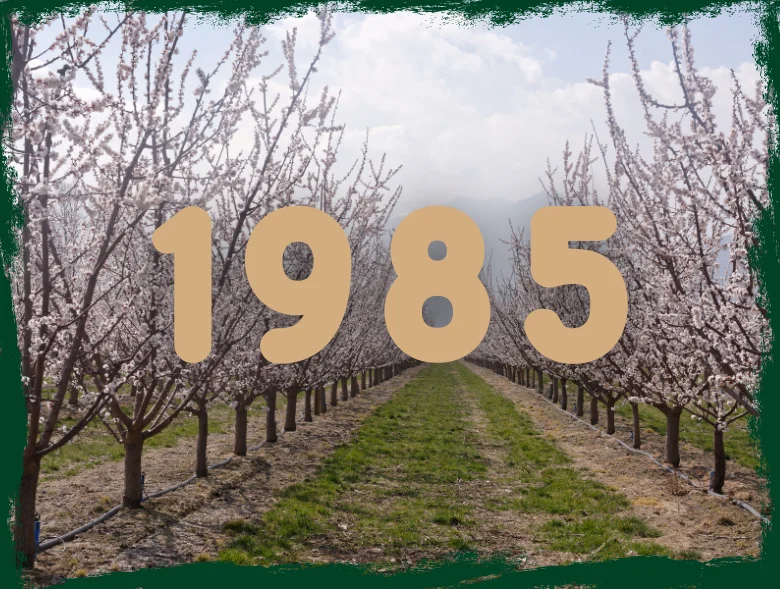
IFS Food has been producing and exporting dried apricot Malatya since 1985. Located in Malatya's 2nd Organized Industrial Zone, our 12,000 square meter facility is at the center of the world's dried apricot capital. Our proximity to Malatya's orchards gives us first access to the finest raw materials each harvest season.

Based in Malatya Since 1985 12,000 m² Modern Facility 10,000 MT Annual Capacity IFS, BRC, HACCP, ISO 22000 Organic & GlobalGAP Certified 50+ Export Countries Full Product Range Private Label Available

When you buy dried apricot Malatya from IFS Food, you source directly from the world's premium production region through a trusted dried apricot exporter and one of Turkey's most reliable dried apricot suppliers. Our complete product range includes sun-dried apricot, organic dried apricot, natural dried apricot, and RTE soft dried apricot.

Buy Dried Apricot from Malatya

Buy Dried Apricot Direct from Malatya

IFS Food — your direct connection to the world's finest dried apricot Malatya, Turkey. Premium quality since 1985.

Contact Us in Malatya